
Retail is no longer just about selling products; it’s about creating unforgettable experiences. In 2025, visual merchandising trends are transforming the way customers interact with brands, turning stores into hubs of innovation, sustainability, and storytelling. Here are top visual merchandising hacks to keep your store ahead of the curve.
1. Tech-Driven Displays: The Future Is Now
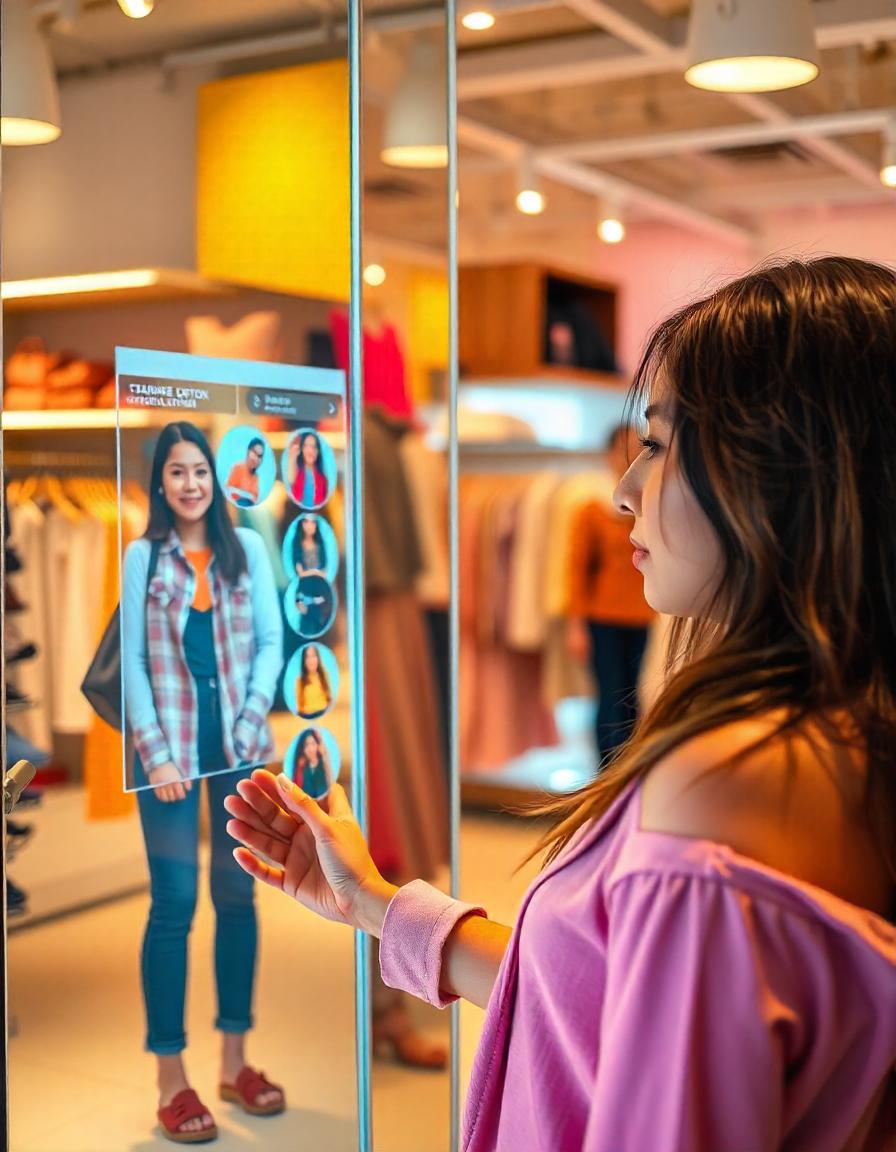
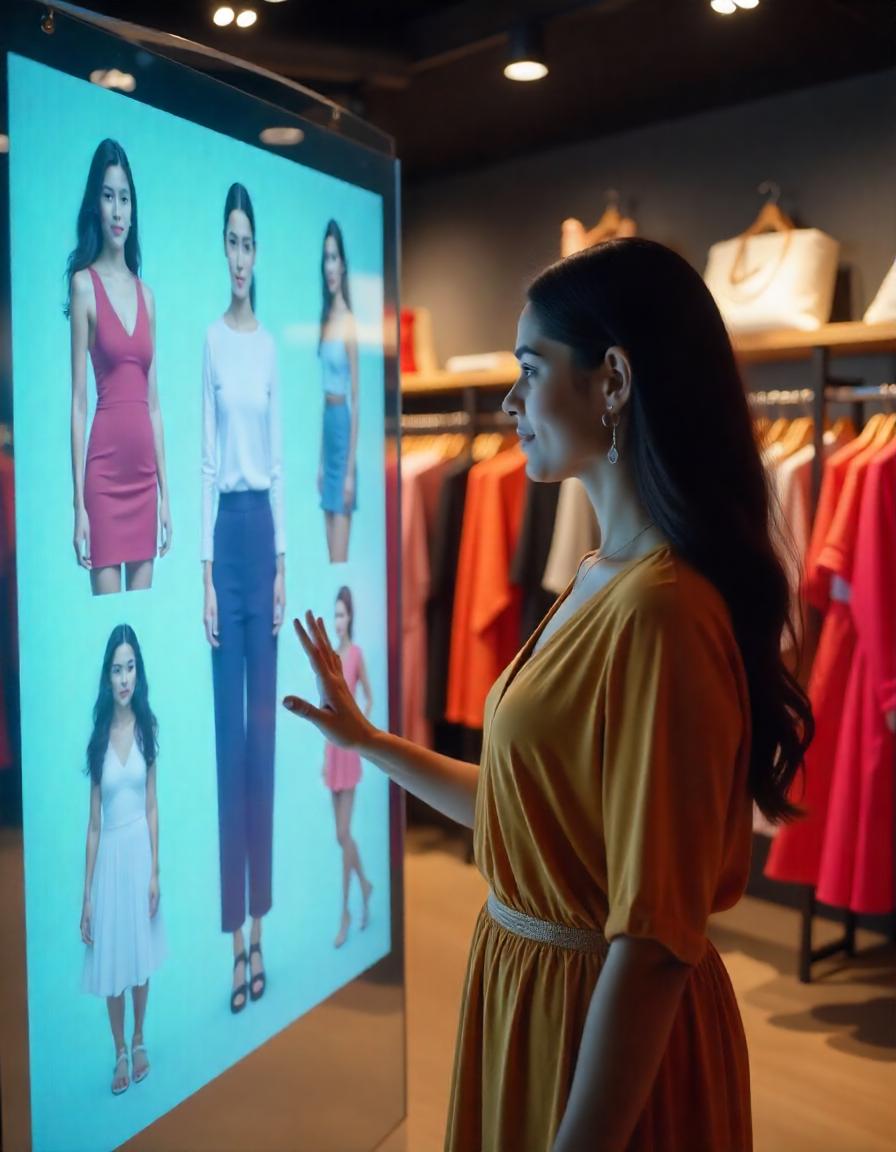
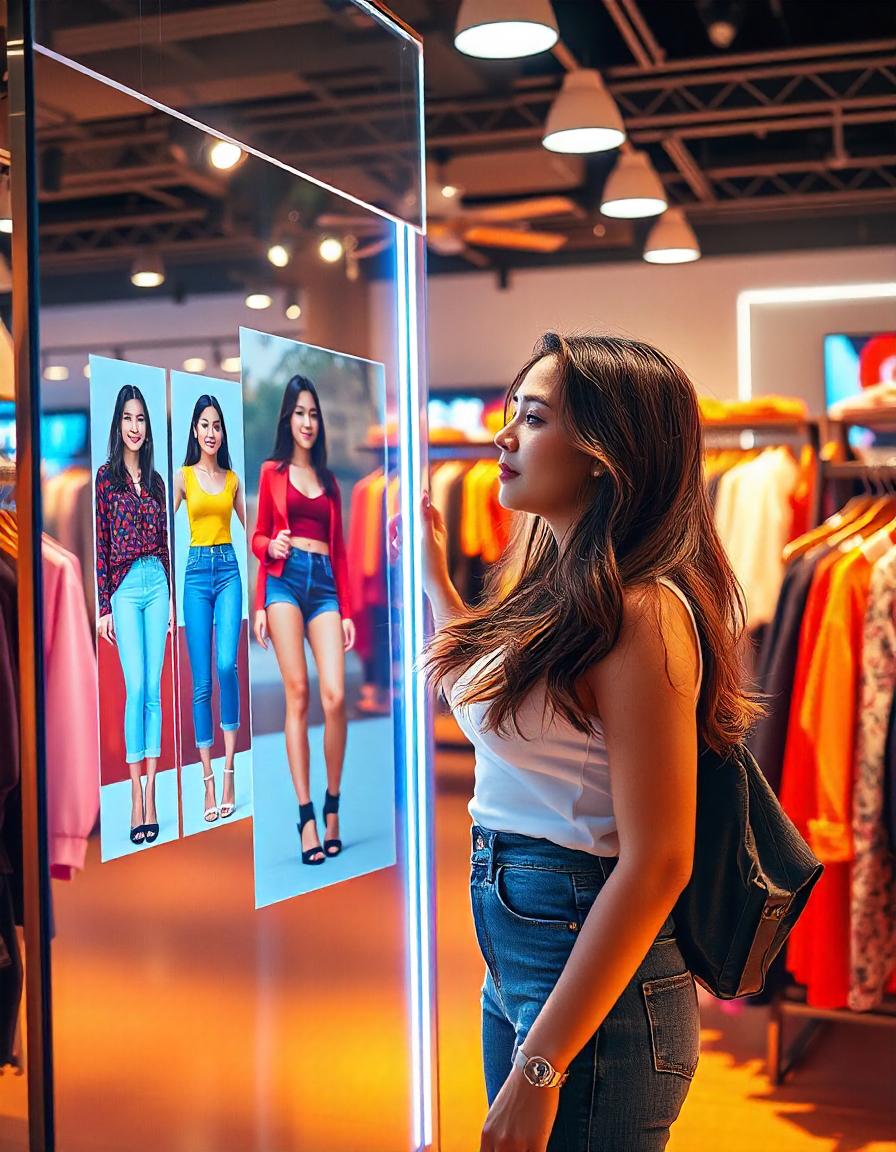
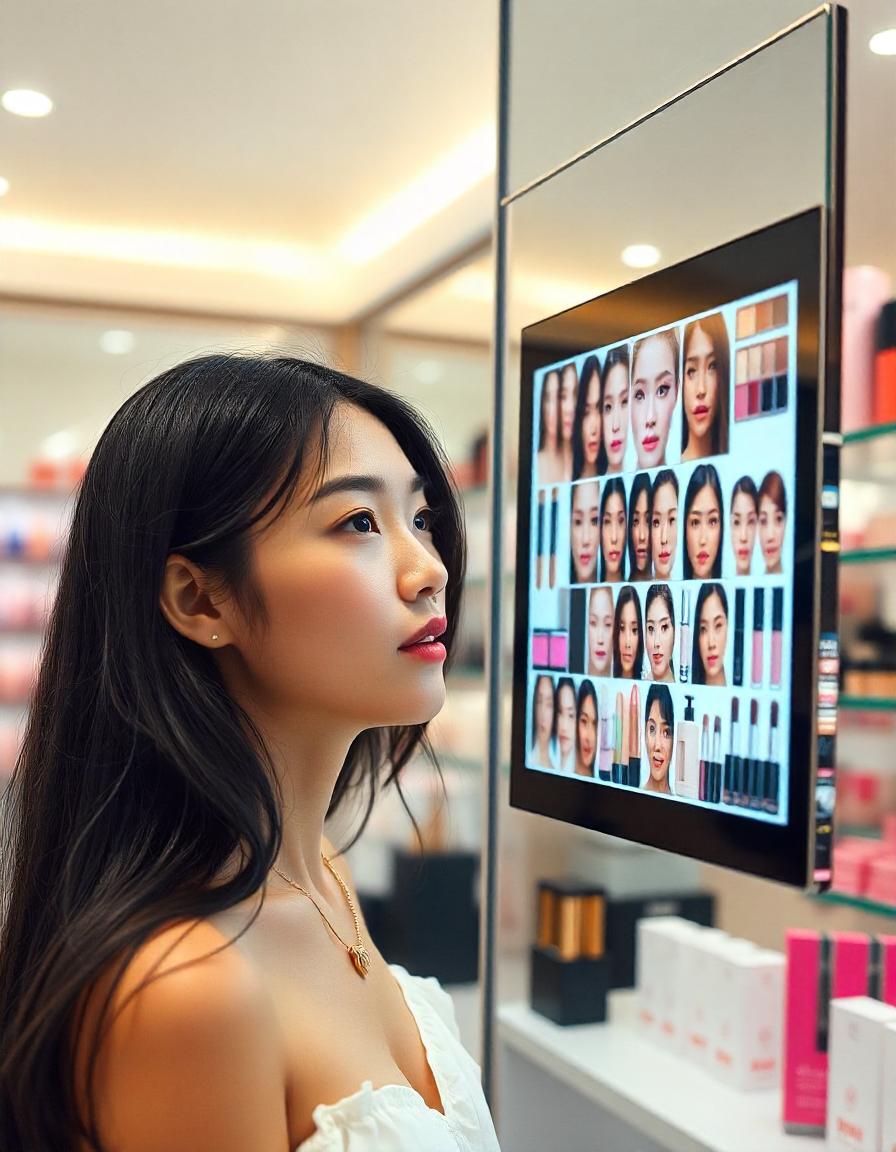
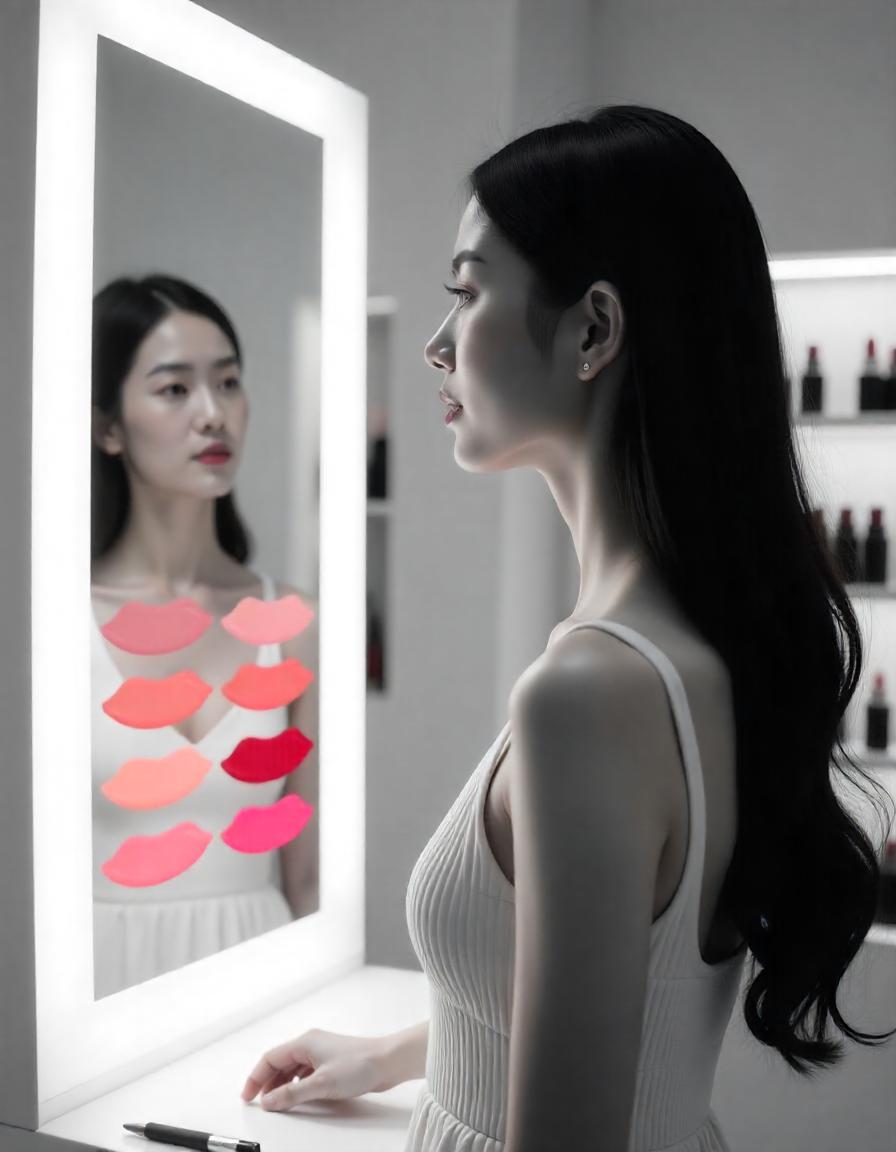
Technology is revolutionizing visual merchandising with AI, AR, and smart screens. AI tools analyze customer data to optimize product placements, while AR allows customers to virtually try on clothes or test furniture in their homes. Sephora, for example, uses AR mirrors to let customers experiment with makeup without touching the products. Interactive kiosks are also on the rise, offering product suggestions and tailored experiences. Retailers using AR report 40% higher engagement rates. Embracing tech-driven displays doesn’t just elevate the shopping experience; it also improves conversion rates, creating a win-win for both retailers and shoppers.
2. Sustainable Merchandising: Green Is the New Gold
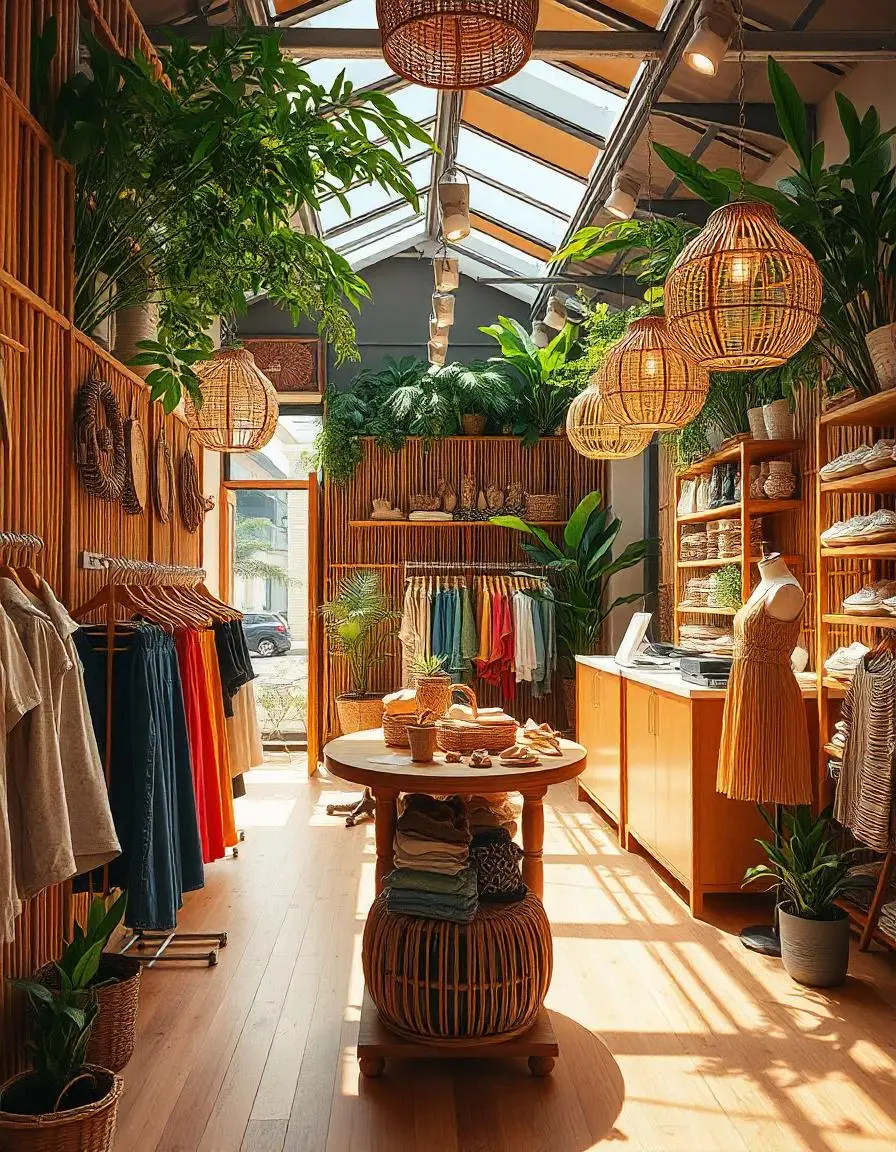
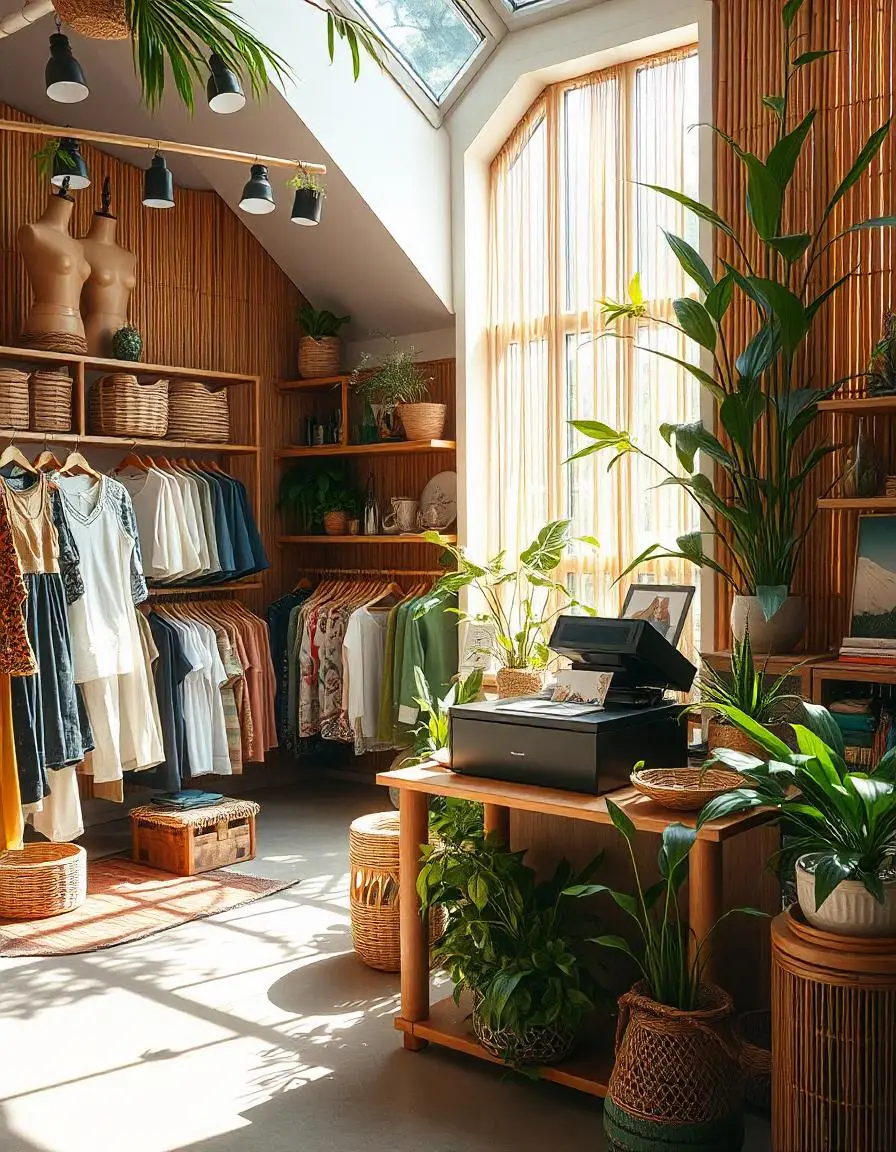
Sustainability is no longer optional—customers demand it. Retailers are incorporating eco-friendly materials such as bamboo or recycled wood into their displays. Brands like IKEA are leading the charge by using cardboard displays and modular furniture for their retail setups. Not only do these solutions reduce environmental impact, but they also appeal to the eco-conscious consumer. Energy-efficient LED lighting and reusable props further enhance a store’s green credentials. Sustainability also helps brands save on costs while building long-term customer trust. Make green your store’s signature and win loyal customers.
3. Minimalist Aesthetics: Less Is More
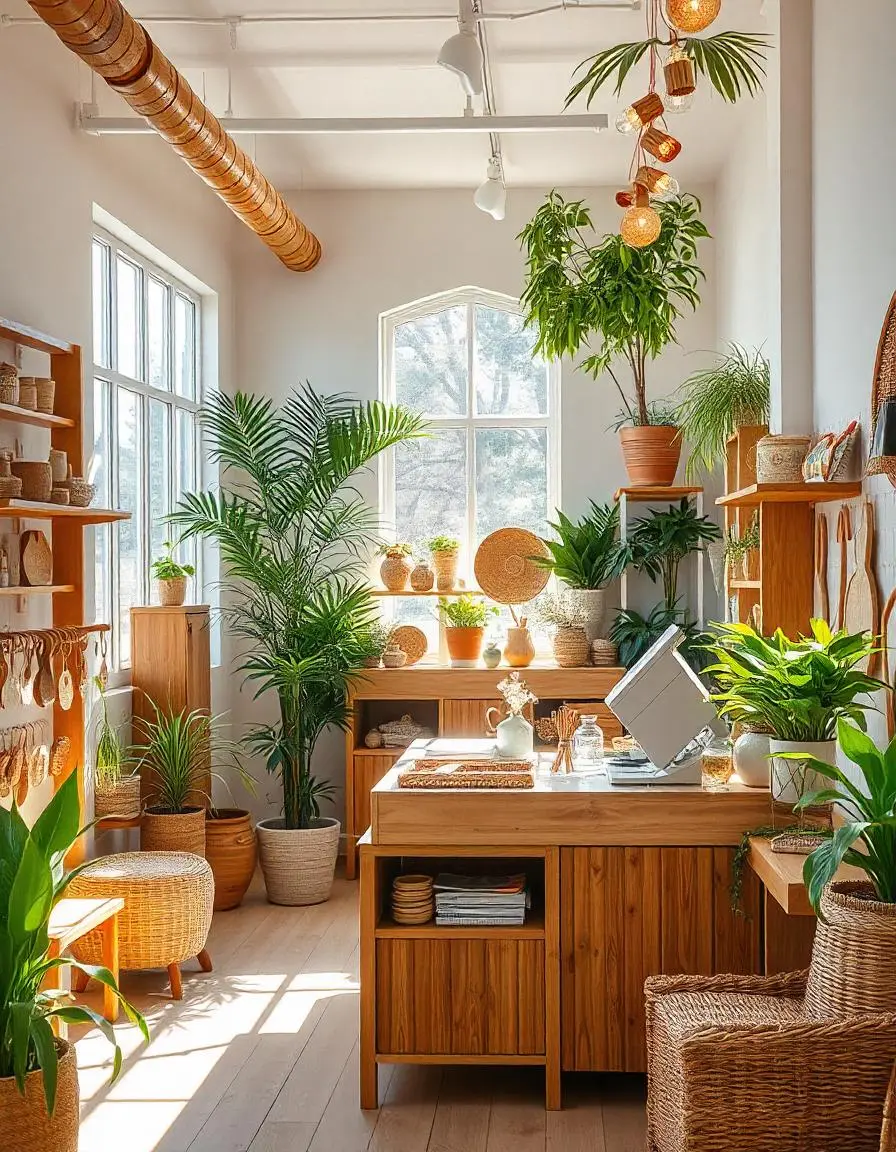
Minimalism is a powerful tool to make products shine. Clean, uncluttered displays focus attention on the merchandise and create a sense of sophistication. Apple stores exemplify this philosophy with their sleek interiors and strategic use of space. Retailers adopting minimalism not only elevate their brand perception but also reduce the cost and complexity of store designs. Research shows that minimalist visuals increase perceived product value by 20%. Whether you’re selling luxury goods or everyday items, simplicity can redefine how customers experience your brand.
4. Localized Displays: Speaking to Your Audience
Localization is key to creating a personal connection with customers. From celebrating local festivals to incorporating regional aesthetics, localized displays resonate deeply with shoppers. Imagine a clothing store featuring regional festive outfits or a bookstore showcasing bestsellers from local authors. Walmart uses this strategy effectively, tailoring their in-store promotions to the local communities they serve. Localized displays increase foot traffic by 25%, offering both cultural relevance and higher engagement. By aligning with local tastes, you can make your store a destination for the community.
5. Lighting Magic: Setting the Mood
Lighting is a silent but powerful tool in visual merchandising. It sets the ambiance and guides attention to specific areas of the store. Luxury brands like Gucci use warm, dim lighting to create exclusivity, while brightly lit supermarkets like Whole Foods emphasize freshness and energy. Strategic lighting also influences emotions—soft lighting relaxes customers, encouraging them to linger longer. Studies reveal that strategic lighting boosts sales by 19%. Experiment with LED lights, spotlighting, and color temperatures to craft the perfect mood for your space.
6. Hybrid Spaces: Retail Meets Experience
Retail spaces are transforming into multi-functional hubs that combine shopping with experiences. Nike stores include sports arenas, while Starbucks Reserve blends retail with artisanal coffee brewing. These hybrid spaces offer immersive experiences that go beyond shopping. Gen Z shoppers are 60% more likely to visit stores offering unique experiences. They value interaction and entertainment as part of their retail journey. Adding experiential zones to your store can increase dwell time and create lasting memories, ensuring customers return for more.
7. Themed Merchandising: Tell a Story
Storytelling is at the heart of modern visual merchandising. Themed displays create a narrative around your brand or product, immersing customers in a unique shopping experience. Sephora’s “Love Your Look” Valentine’s campaign or IKEA’s holiday-inspired setups showcase how storytelling drives engagement. Themes can revolve around seasons, holidays, or lifestyle concepts, keeping your displays fresh and relevant. Displays with strong narratives enhance emotional connections and encourage repeat visits. A well-crafted theme can make your store a destination, not just a pit stop.
8. Strategic Signage: Clear and Captivating
Signage is more than just directional—it’s a powerful marketing tool. Creative signs can draw attention to promotions, guide shoppers, or add personality to your brand. Trader Joe’s uses quirky, handwritten signs that reflect their brand’s character while aiding navigation. Digital signage, on the other hand, offers the flexibility to update content in real time. Well-placed signage can increase impulse purchases by up to 33%. Combine clear messaging with bold designs to make your signage both functional and memorable.
Wrap-Up: Setting Your Store Apart
2025 is all about merging innovation with intention. These visual merchandising trends are more than strategies—they’re opportunities to redefine how customers experience your brand.
